
Central Plains
Central
Plains
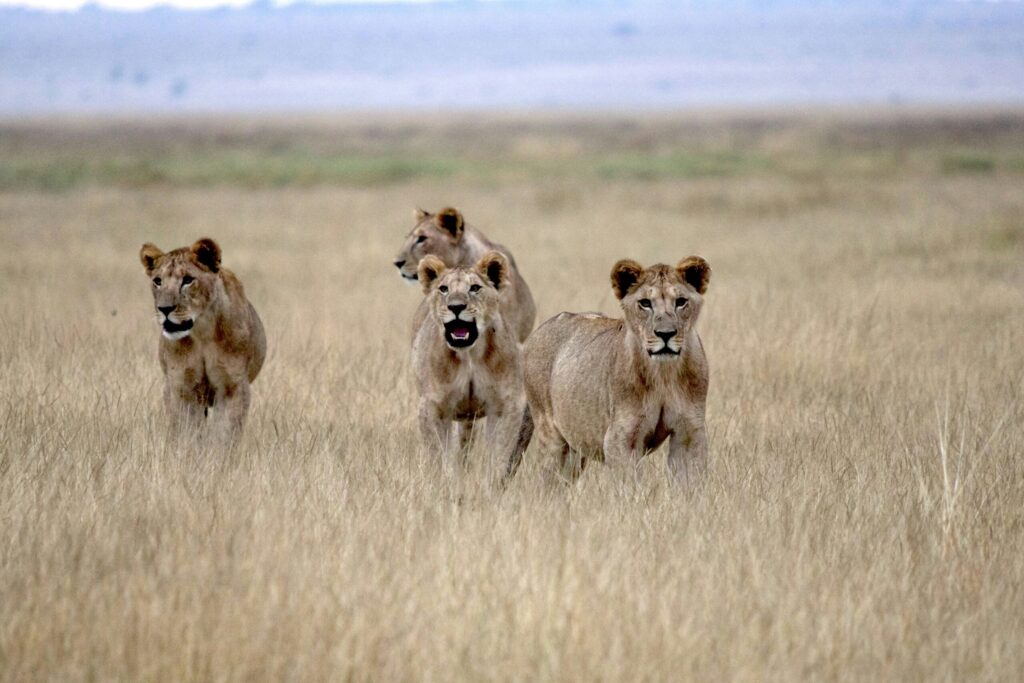
Grasslands dominate the central areas of the Crater and offer tremendous game viewing. Gazelle and buffalo, wildebeest and zebra, elephant and even the rare black rhino live in concentrated numbers on the central plains. With so many prey animals, carnivores are abundant including lions and hyena. Other predators include bat-eared foxes and serval cats. There is a realistic chance to see cheetahs hunting on the open plains while the scattered ponds and waterholes are good places to watch lions rest and lie in ambush.
Highlights
Best Known For
Good viewing of the rare black rhino
Frequent lion & hyena hunts
Huge masses of animals
Habituated Animals – Up Close Viewing
Size
30 square miles
Topography
Grasslands, Shallow Water Courses, Bare Areas & Ponds
Main Species
Lion, Cheetah, Hyena, Rhino, Elephant, Gazelle, Wildbeest, Zebra, Buffalo, Warthog, Serval Cat
Overview
The western corridor of the Serengeti is a special place seldom explored by those visiting the Serengeti. It is a remote and unique part of the famous Serengeti. The corridor stretches west from Seronera in the central Serengeti to almost Lake Victoria. The relatively narrow corridor is roughly 50 miles long and is characterized by dense stands of acacia trees interspersed with broken woodlands and open plains. The dominant feature is the Grumeti River, which runs almost the entire length of the corridor.
The western corridor straddles the northward migration route of the enormous wildebeest herds. Typically in mid May (the beginning of the dry season), the great herds begin to depart the plains and follow the Mbalageti and Seronera Rivers into the western corridor. The western corridor is the wildebeest’s wet/dry transitional zone. The vast herds will remain here until about July when the dry season completely parches the land and they must venture north towards Kenya and its greener pastures.
The pinnacle of the northward wildebeest migration takes place in the western corridor with the famous Grumeti River crossing. The river is infested with the Nile crocodile, the world’s largest crocodile. For some of these prehistoric animals, it has been a year since they have last eaten and they eagerly await the wildebeest river crossing. Additionally, The Grumeti River also supports a unique riverine forest, which is home to the beautiful black and white colobus monkey.
The western corridor is also home to significant numbers of resident wildlife. There are large populations of resident wildebeest and zebra that do not join their migratory cousins as they pass through every year on their journey northwards. Other resident animals include giraffe, buffalo, eland, topi, impala, waterbuck and Thomson’s gazelle. These resident animals support large concentrations of predators including lion, leopard, cheetah and hyena. The big cats are frequently sighted but not to the extent as seen in the central Serengeti. However, there is simply no other area in Africa that could compete with the central Serengeti’s localized predator densities.
The best time to visit the western Serengeti is from late May to mid July, which coincides with the northward wildebeest migration. Additionally, mid to late November is a good time to catch the southward migration when a significant portion of the wildebeest herds gather in the west before making their final movement to the southern plains
Seasonal Highlights
For West Serengeti
|
Month
|
Season
|
Recommended
|
Weather
|
Wildlife Sightings
|
|---|---|---|---|---|
|
Jan
|
Green Season
|
NO
|
60 - 85 F
Mostly sunny with few showers
|
- - - - - - - - - -
|
|
Feb
|
Green Season
|
NO
|
60 - 85 F
Mostly sunny with few showers
|
- - - - - - - - - -
|
|
Mar
|
Green Season
|
NO
|
60 - 83 F
Mostly sunny with few showers
|
- - - - - - - - - -
|
|
Apr
|
Green Season
|
NO
|
60 - 83 F
Mostly sunny with few showers
|
- - - - - - - - - -
|
|
May
|
Northward Migration
|
YES
|
56 - 81 F
Mostly sunny
|
Possibility of the Wildebeest Migration in mid to late May, Giraffe, Impala, Crocodile, Hippo
|
|
Jun
|
Beginning of Dry Season
|
YES
|
56 - 81 F
Mostly sunny
|
Wildebeest Migration, Lion, Giraffe, Impala, Crocodile, Hippo
|
|
Jul
|
Dry Season
|
YES
|
60 - 83 F
Mostly sunny
|
Wildebeest Migration, Lion, Giraffe, Impala, Crocodile, Hippo
|
|
Aug
|
Dry Season
|
YES
|
55 - 81 F
Mostly sunny
|
Giraffe, Impala, Hippo, Resident Wildebeest and Zebra
|
|
Sept
|
Dry Season
|
YES
|
55 - 81 F
Mostly sunny
|
Giraffe, Impala, Hippo, Resident Wildebeest and Zebra
|
|
Oct
|
Dry Season
|
YES
|
60 - 83 F
Mostly sunny
|
Giraffe, Impala, Hippo, Resident Wildebeest and Zebra
|
|
Nov
|
Southward Migration
|
YES
|
60 - 83 F
Mostly sunny
|
Lion, Giraffe, Impala, Hippo, Resident Wildebeest and Zebra, and Possibility of the Wildebeest Migration
|
|
Dec
|
Beginning of Green Season
|
NO
|
60 - 83 F
Mostly sunny
|
- - - - - - - - - -
|